Our Services
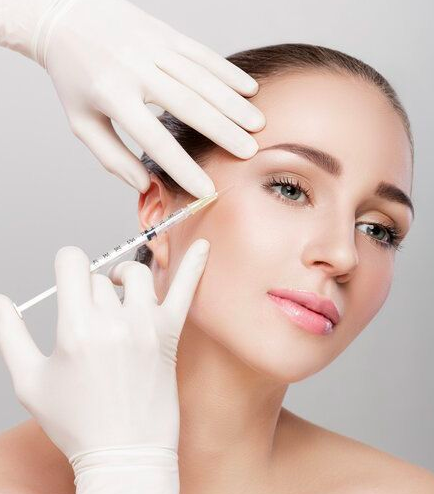
Neuromodulators (Botox®, Dysport®, Xeomin®)
Neuromodulators are prescription medications that are injected into specific facial muscles to temporarily reduce muscle activity. They are commonly used in the forehead, frown lines, and “crow’s feet”, following a comprehensive assessment to determine whether treatment is appropriate for your individual goals and anatomy.
Treatment typically takes 20-45 minutes and involves little to no downtime. Results generally begin to develop within 3-14 days, with effects lasting approximately 3-4 months. Individual results and duration may vary.
Every consultation includes a discussion of the potential benefits, risks, alternatives, expected outcomes, and aftercare recommendations to support informed decision-making.
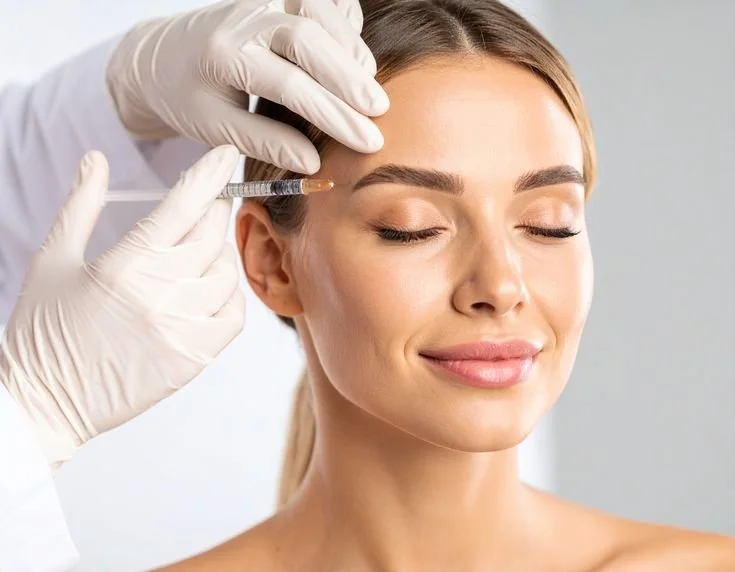
Skin Boosters (SkinVive™, Teosyal® Redensity 1)
Skin boosters are injectable products that are placed within the superficial layers of the skin using a series of micro-injections. Depending on the product selected, they may contain hyaluronic acid alone or in combination with other ingredients, like amino acids, vitamins and minerals. A comprehensive assessment is completed to determine whether treatment is appropriate based on your anatomy, skin concerns, and treatment goals.
Treatment commonly takes 30-60 minutes with minimal downtime. Initial changes may become noticeable within 2-4 weeks, and the duration of effect varies depending on the product used and individual factors.
Before treatment, you will receive information about the potential benefits, risks, alternatives, expected outcomes, and aftercare recommendations to support informed decision-making.
Microneedling (eDermaStamp®)
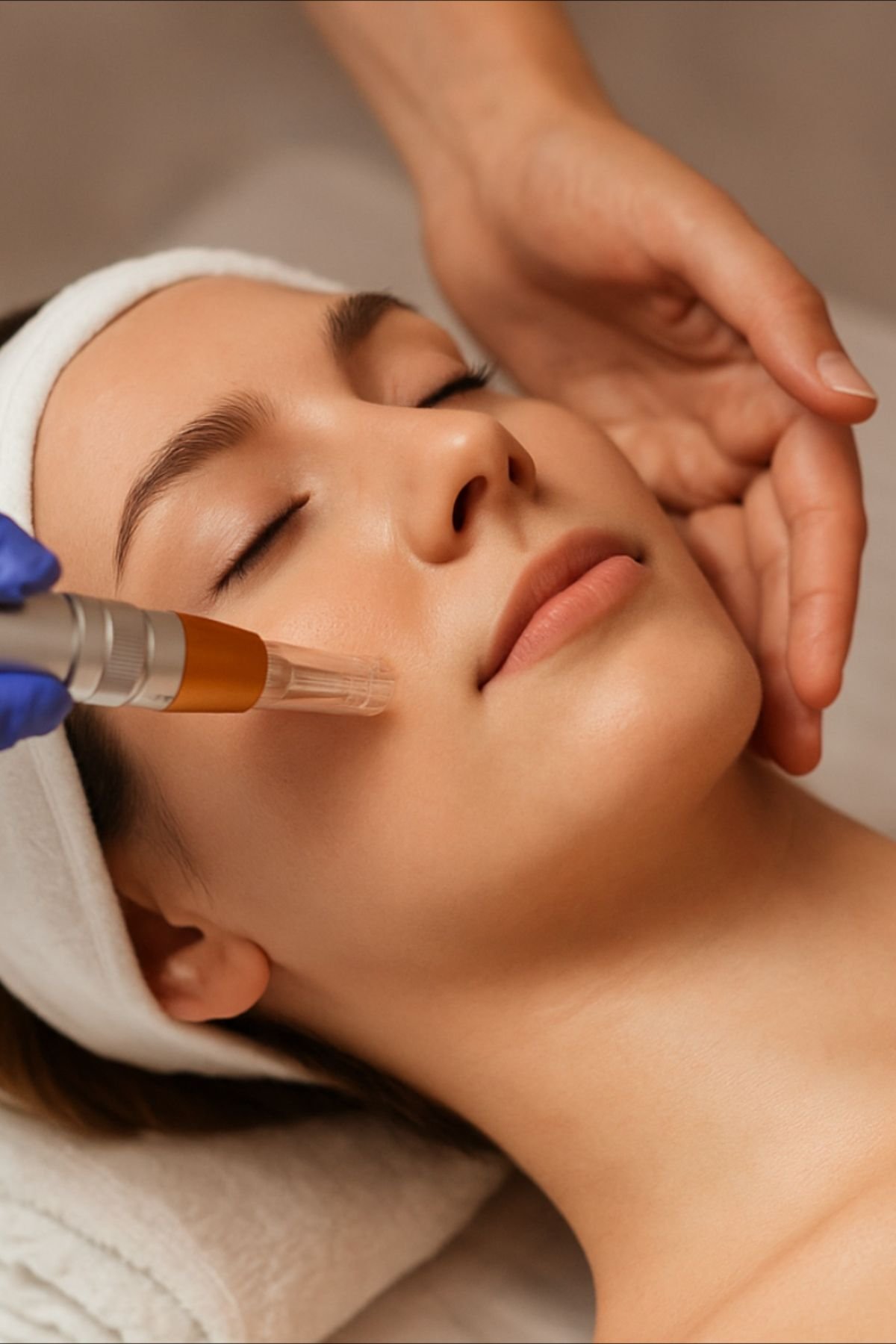
Microneedling is a minimally invasive procedure that uses a medical-grade device with fine needles to create controlled micro-channels in the skin. Each treatment begins with a comprehensive assessment to ensure microneedling is appropriate based on your medical history, skin concerns, and treatment goals.
Platelet-Rich Plasma (PRP) may be incorporated into treatment when clinically appropriate. PRP is prepared from a sample of your own blood and used as part of the procedure following an individual assessment.
Treatment typically takes 45–60 minutes. Temporary redness, sensitivity, or swelling may occur for several days after treatment, and recovery time varies between individuals. Multiple sessions may be recommended depending on your individual assessment and treatment goals.
Before treatment, you will receive information about the potential benefits, risks, alternatives, expected outcomes, and aftercare recommendations to support informed decision-making.
Platelet-Rich Plasma (PRP)
Platelet-Rich Plasma (PRP) is an autologous treatment prepared from a sample of your own blood. The concentrated platelets contain naturally occurring growth factors and may be used as part of a treatment plan following a comprehensive assessment.
PRP can be used for hair restoration or facial treatments, depending on your individual concerns and clinical assessment. It may also be delivered into the skin using mesotherapy techniques (MesoGold®). Your consultation includes a review of your medical history, treatment goals, and whether PRP is an appropriate option for you.
Treatment typically takes 45–60 minutes. Your consultation includes a discussion of the potential benefits, risks, alternatives, expected outcomes, and aftercare recommendations before proceeding with treatment.
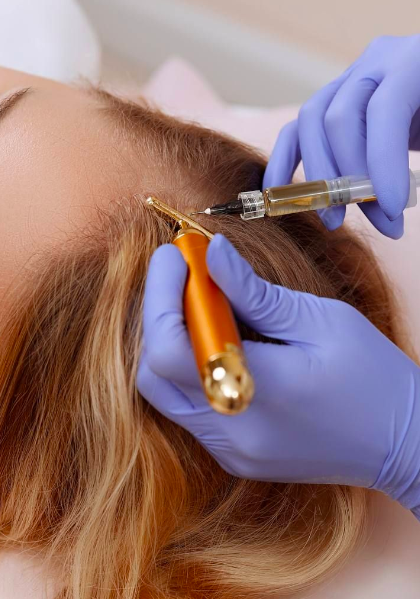
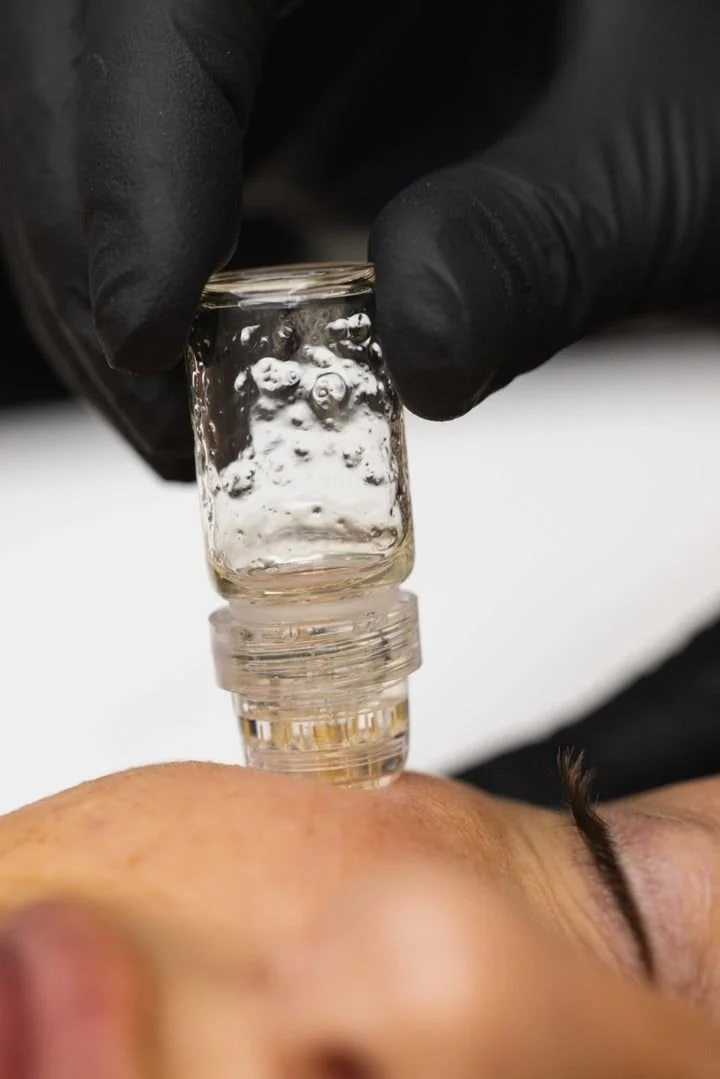
MesoGold “Glass Skin” Facial (MesoGold 20)
The MesoGold® Facial is a superficial micro-infusion treatment that uses a device with 24K gold-plated microchannels to deliver selected products into the upper layers of the skin. Depending on your individual assessment, treatment may include a customized combination of hyaluronic acid, neuromodulator, and other clinically appropriate products.
Each treatment begins with a comprehensive consultation and assessment to determine whether the procedure is appropriate for your individual concerns and treatment goals. The procedure typically takes 20–30 minutes. Mild redness may occur following treatment and generally resolves within 24–48 hours, although recovery time varies between individuals.
Before treatment, we'll review the potential benefits, risks, alternatives, expected outcomes, and aftercare instructions so you can make an informed decision.